Showing 13–15 of 15 results
-

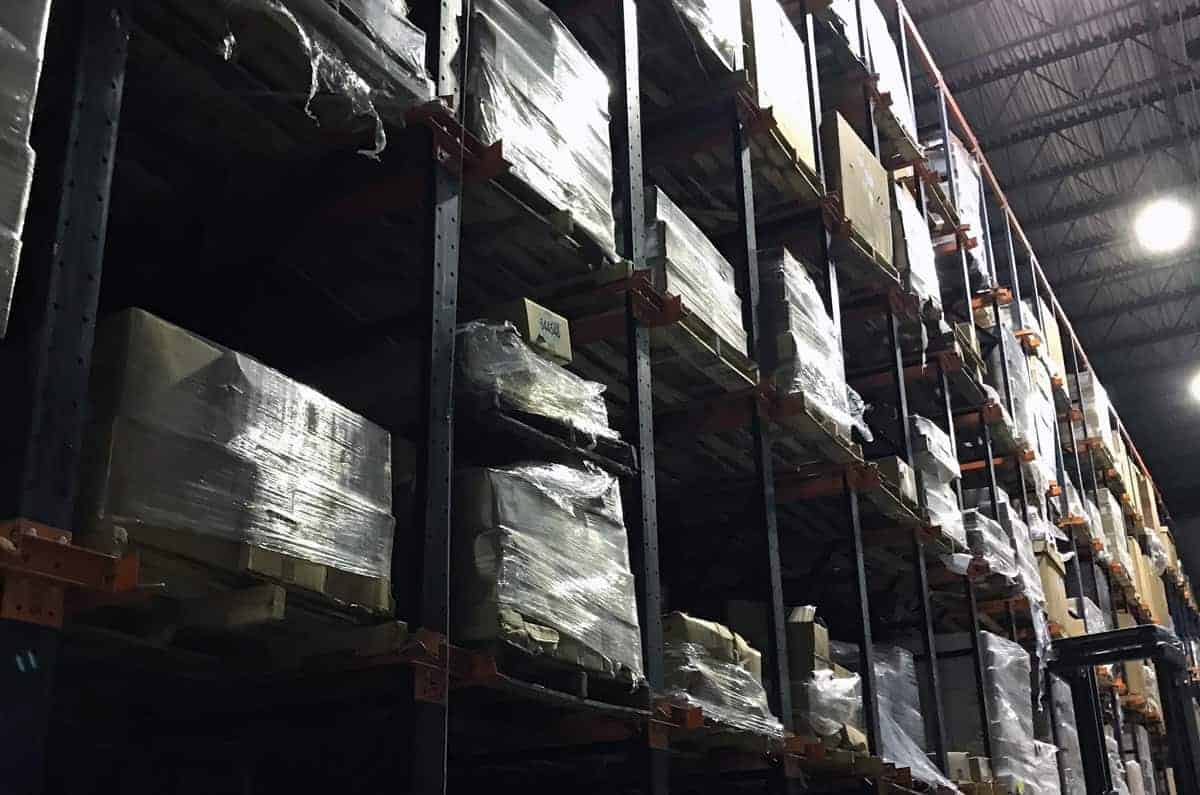
- 4 deep x 3 high
- Frazier & Interlake brands
- Structural & roll-formed
Contact for Price -

-
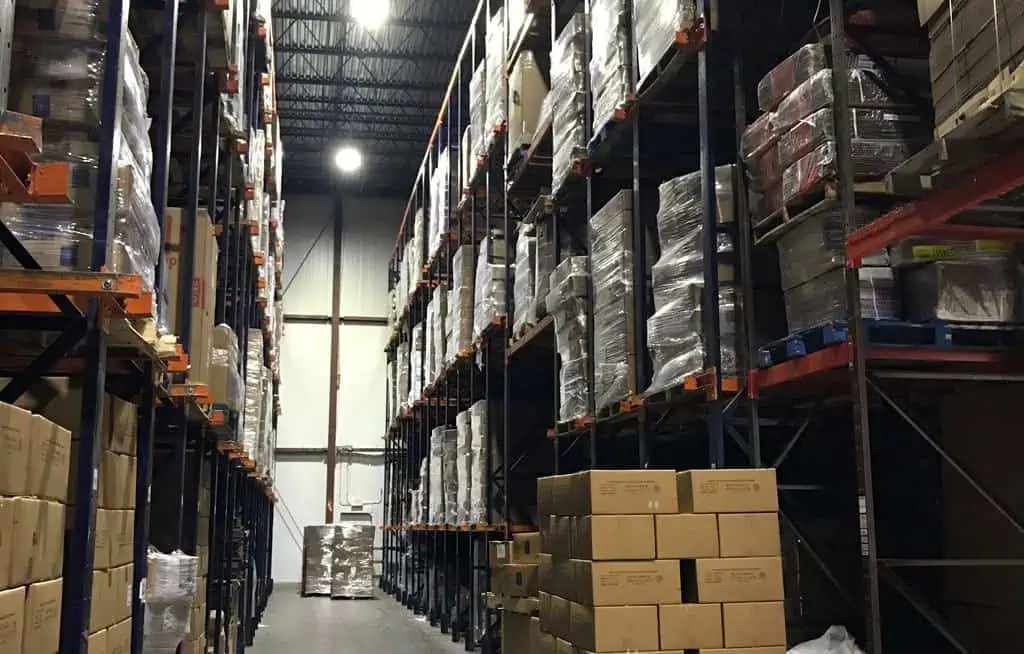
- HD structural drive-in rack
- 2,500 lb per pallet position capacity
- 3 pallets deep
Contact for Price
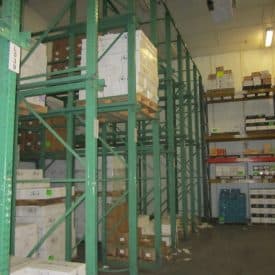
About Drive-In Racks
Drive-in racks are uniquely designed storage rack systems that maximize the use of available space by reducing aisle access while enabling more depth for storing pallets. These systems are an efficient solution for facilities of all kinds, especially those with high-density storage needs and fewer SKUs. Drive-in pallet racking stands out as a popular choice for storage environments where maximizing space utilization is critical.
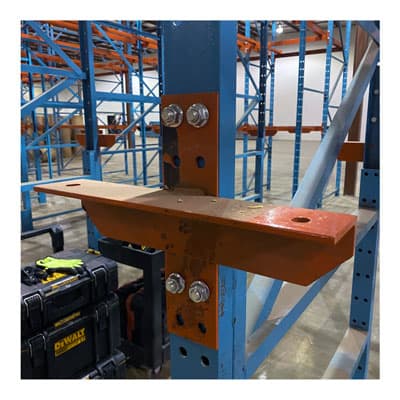
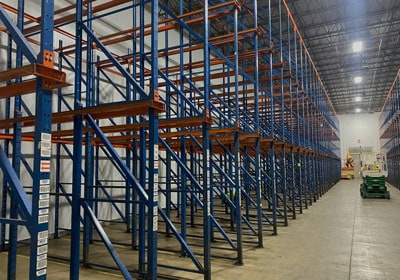
When high-density storage is a priority, drive-in racking offers an exceptional equipment solution. Drive-in racking is a type of pallet racking system that allows forklifts to drive directly into the lane of stacked rows. This design optimizes space and is especially suitable for businesses that deal with large quantities of similar products and operate with a last-in, first-out (LIFO) inventory management system.
In drive-in racking systems, pallets are stored in deep lanes running perpendicular to the working aisles, supported by a series of rails. This design allows forklifts to enter from one side to load and retrieve pallets.
This functionality and space-saving capabilities of drive-in racking make it a reliable and efficient choice for warehouses and facilities of all kinds.
There is also drive-thru pallet racking. In these systems, both sides are open to forklift traffic, making these systems first-in, first-out (FIFO). Keep in mind, with drive-thru racks, you need an additional service aisle for lift truck traffic.
Benefits of Drive-In Pallet Racks
Adding drive-in racks to your facility offers numerous
advantages, including:
Optimized High-Density Storage
Drive-in racks are perfect for high-density storage, making them a great tool for managing large volumes of similar products. By allowing forklifts to enter the rack lanes, drive-in racking can dramatically increase storage density within your facility.
Better Space Utilization
Drive-in pallet racks capitalize on the depth of racking rather than just the vertical height. This approach better utilizes warehouse space, enabling the storage of more items within the same footprint.
Easy LIFO Inventory Management
With drive-in racking, operators retrieve pallets in a LIFO manner, making these racks ideal for goods with a longer shelf life or those that don't require immediate rotation. The design allows for quick and efficient loading and unloading.
Durable and Robust Construction
Drive-in pallet racks can handle heavy loads and prolonged use, often needing to stand up to regular wear as well as the occasional bump from lift truck equipment. They provide exceptional strength and stability, securing your inventory and ensuring the safety of your warehouse personnel.
Flexibility in Accommodating Varied Pallet Sizes
Though designed for high-density storage of similar products, drive-in racks can still accommodate pallets of various sizes. This allows for flexibility in managing diverse inventory and storage needs.
Drive-In Rack Applications
Due to its high-density storage capacity and efficient use of space, there are numerous applications for drive-in racking, such as:
- Bulk Product Warehousing
- Cold Storage
- LIFO Inventory Management
- Seasonal Merchandise
- Manufacturing Facilities
- Production Facilities
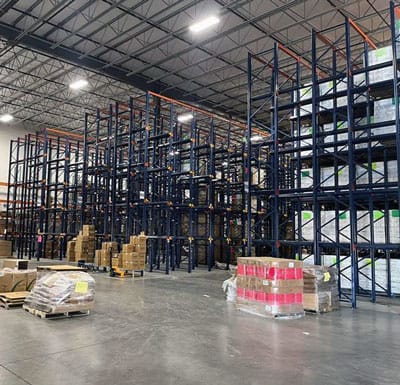
Can Drive-In Rack Increase Storage Capacity?
While you’ll find many different types of storage equipment to outfit your warehouse or distribution center, drive-in racking offers some unique advantages in terms of storage capacity. How much? Here at East Coast Storage Equipment, we’ve seen drive-in racking systems increase capacity by an astounding 75%. To learn more, be sure to explore our blog on the topic.
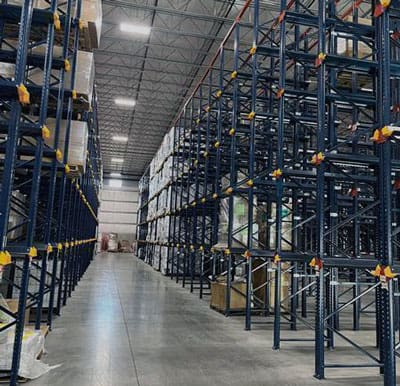
Brands We Carry
We stock a wide selection of drive-in racking from many of the
industry's top manufacturers, including:
- Steel King
- D’Altrui
- Frazier
- Interlake
- Mecalux
- Unarco
- Ridg-U-Rak
- T-Bolt
- Many more!




Drive-In Rack Components
Much like other pallet racking systems, drive-in and drive-thru racking is not a single piece of equipment but rather a combination of several racking components. Here is what you need to know about drive-in pallet racking components.

Upright Frames
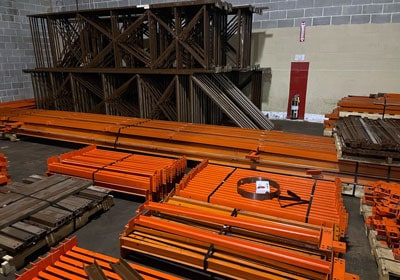
Upright frames, or uprights, form the vertical structure of the pallet rack. They support the horizontal support beams and provide stability to the platform. Manufacturers usually use high-strength steel to build uprights and space them at intervals that correspond to the size of the pallets being stored.
Rail Support Beams
Drive-in rail support beams support the drive-in rails and tie the frame lines together to add rigidity to the racking structure. Manufacturers place the support beams at the two rearmost post positions.
Drive-In Rails
Drive-in rails, made from rugged structural steel, attach to the support arms and beams, running the full length of the system. They provide a continuous seat for pallet storage. For longer systems, drive-in rails may come in two pieces.
Tie Beams
Overhead tie beams tie the system together above the top load in the down-aisle direction. Usually made from strong structural steel, they provide additional rigidity and stability to the entire bay structure and play an integral part in seismic safety.
X-Braces
Drive-in racking features two sets of x-braces, both on the top of the structure and the rear. Each level of racking should have a set of braces toward the rear, with the placement of top bracing varying depending on the manufacturer.
Contact Us for Used Drive-In Racking Solutions
At East Coast Storage Equipment, we bring you a comprehensive range of high-quality used drive-in and drive-thru pallet racking designed to revolutionize the way you store and manage your inventory. Contact us today and find out how we can help you get more out of your warehouse space.
Things to Consider Before Purchasing Drive-In Rack
Adding drive-in or drive-thru racking can be transformative for your warehouse or storage facility. However, like any other major equipment purchase, choosing the right racking system requires careful consideration of several factors. Here are a few essential things to keep in mind before making a purchase.
What Are Your Specific Requirements?
Identifying your unique storage needs is the cornerstone of selecting the right drive-in racking for your facility. Here are a few parameters to consider:
- Space Utilization: Carefully scrutinize your warehouse’s available space. Take precise measurements, including ceiling height, overall floor space and the location of any obstructions or pillars that might affect rack positioning.
- Inventory Traits: Consider the types of items that need storage. Account for weight, dimensions and overall size. Also, assess whether you’ll need direct access to each pallet or if you can utilize high-density storage methods appropriate for your stock.
- Turnover and Accessibility: Determine the rate of pallet retrieval and the level of access needed. If your inventory turnover is high or immediate access to individual pallets is required, selective racking styles may be a better option. If your operations involve slow-moving or bulk quantities of similar products, high-density options like drive-in racking might be the ideal solution.
Budgeting Wisely
Budget is a critical factor in any purchasing decision. Here are a few key things to keep in mind when trying to get a handle on your budget:
- Quality and Longevity: Investing in a high-quality, robust drive-in racking system is crucial for cost-effectiveness over the long term. Be sure to purchase systems from high-quality suppliers, like our team here at East Coast Storage Equipment.
- Installation and Upkeep Costs: Always be sure to factor in costs for installation and equipment upkeep, which can include labor costs and required permits. Additionally, consider maintenance and safety inspection costs. Keeping a system properly maintained is essential.
- Scalability for Future Growth: Evaluate if the drive-in pallet racking system can adjust to future growth and expansion. It could be more economical to invest in a scalable system that can be effortlessly extended or reconfigured as your storage demands evolve.
Looking to sell your drive-in pallet racks or other used material handling equipment? East Coast Storage Equipment makes it simple. We buy material handling equipment like used drive-in pallet racks and re-sell it to other businesses like yours in need of used tools, machinery or equipment.
We Make Selling Your Used Drive-In Rack Simple
Accessible Storage Options with Drive-In Racking
Used drive-in racks are a great solution for applications requiring ultra-high-density storage. Our drive-in rack professionals have been designing and installing all kinds of used drive-in pallet rack systems for more than 20 years. We are here to answer your questions and help you find the drive-in rack storage solution that’s right for you.
Used Drive-In Pallet Rack to Meet Your Needs
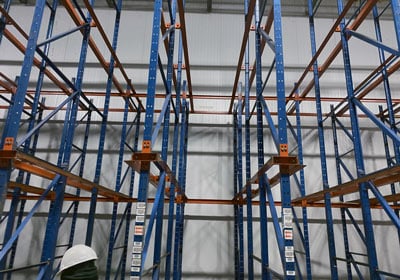
Our used drive-in and drive-thru rack inventory includes used drive-in rack systems and components, including frames, arms, and load and guide rails. We have the drive-in pallet racking prices and selection you're looking for. If you're looking for a drive-in specialty item, or just don't see what you're looking for, don't hesitate to contact us. If we don't have it in stock, we'll do our best to find it.

Installation Services Available for Drive-In Rack
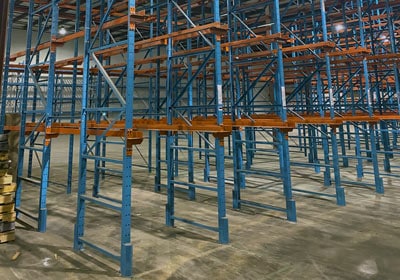
Should you require assistance with the installation of warehouse equipment, our comprehensive services are at your disposal, designed to ensure a smooth and efficient setup of your drive-in racking system. Boasting a team of seasoned experts, we excel in the complexities of racking installation, strictly adhering to industry-leading practices and safety norms. We take charge of the entire installation process, starting with a thorough site evaluation, followed by system design and finally the assembly and configuration. Leveraging our expertise and meticulous attention to detail, you can rest assured that your drive-in racking system will be impeccably and efficiently set up.
FAQs About Drive-In Racks
Drive-in rack is a dynamic pallet racking solution that can help your warehouse store product more efficiently, but you may have questions about our used drive-in pallet racking systems. To help, we have answered some common questions below.
What are Some Storage Benefits of Drive-In Racks?
Manufacturers design drive-in racking systems for large stock and a few product types, but they offer plenty of advantages over other forms of pallet storage racking. The deep lanes used in drive-in systems help reduce space limitations and cut costs for storage. Drive-in systems also eliminate the need for multiple access aisles, freeing up even more precious floor space.
What’s the Difference Between Drive-In and Drive-Through?
When we are talking about drive-in racking, we are often referring to a system of storing pallets in a last-in/first-out (LIFO) configuration. Workers will load pallets and retrieve them from the front side. In this system, the last pallet loaded becomes the first pallet that is accessible.
For drive-through racking, workers will use a first in/first out (FIFO) configuration for pallet storage. Workers load pallets on one side of the rack, while the other side is for unloading. This ensures you have access to the oldest product first.
How Does a Drive-In Racking System Work?
A drive-in racking system uses a single entrance for forklifts and other lift equipment. The driver can drive into the racks to place pallets or retrieve them. Instead of beams blocking access, a unique system of set arms holds pallets while providing enough space for a forklift to pass in and out.
Can Drive-In Rack Increase Storage Capacity?
Yes. When used correctly, drive-in racking reduces the number of needed aisles and increases overall storage capacity by allowing palletized loads to be optimally stored while still allowing forklift access. Of course, you’ll need to pair the right racking with an optimized warehouse layout for the best results.
Are Drive-In Racking Systems FIFO or LIFO?
Drive-in racking is LIFO or Last-in-First-out. In this system, the last pallet placed in the rack is the first retrieved by forklift operators. If you’re looking for a FIFO, or First-in-First-out system, drive-through rack is the system you need to consider.
Transform Your Warehouse with High-Density Drive-In Pallet Rack
Considering a dynamic, high-density pallet racking solution?
Let us do the heavy lifting when it comes to finding the right drive-in rack system for your warehouse or distribution center.
Fill out our quick quote form or call us at 888.294.5022
No matter what kind of storage equipment your business needs, East Coast Storage Equipment is here to help.